

Acne is a dermatological condition caused by inflammation and mild infection in clogged pores. If not properly treated, acne can cause emotional distress, low self-esteem, and depression. In severe cases, it can even lead to permanent scarring.
While not a serious physical health threat, acne is an embarrassing skin problem that can be life-altering for many patients. Though it is most common among teenagers, acne can affect anyone, regardless of age or gender, and can be mild, moderate or severe.
What Causes Acne?
If not properly treated, acne can cause emotional distress, low self-esteem, and depression.
The four main causes of acne are:
Oil Production
Dead Skin Cells
Clogged Pores
Bacteria
Everyone has bacteria that normally lives on the top of the skin. But when this bacteria enters clogged pores and becomes infected, the skin becomes swollen, red, and painful.
When hair follicles are clogged by oil or dead skin cells, it can lead to acne. A plugged pore could cause the wall of a follicle to bulge, which will produce a whitehead, or it may be congested with bacteria and oil, which causes a blackhead. When these progress into an infection in the skin pore, it is called a “pimple” or a “zit.”
Acne can be triggered or worsened by hormones, certain medications, diet, and stress. It most commonly occurs on the face, neck, back, chest, and shoulders.
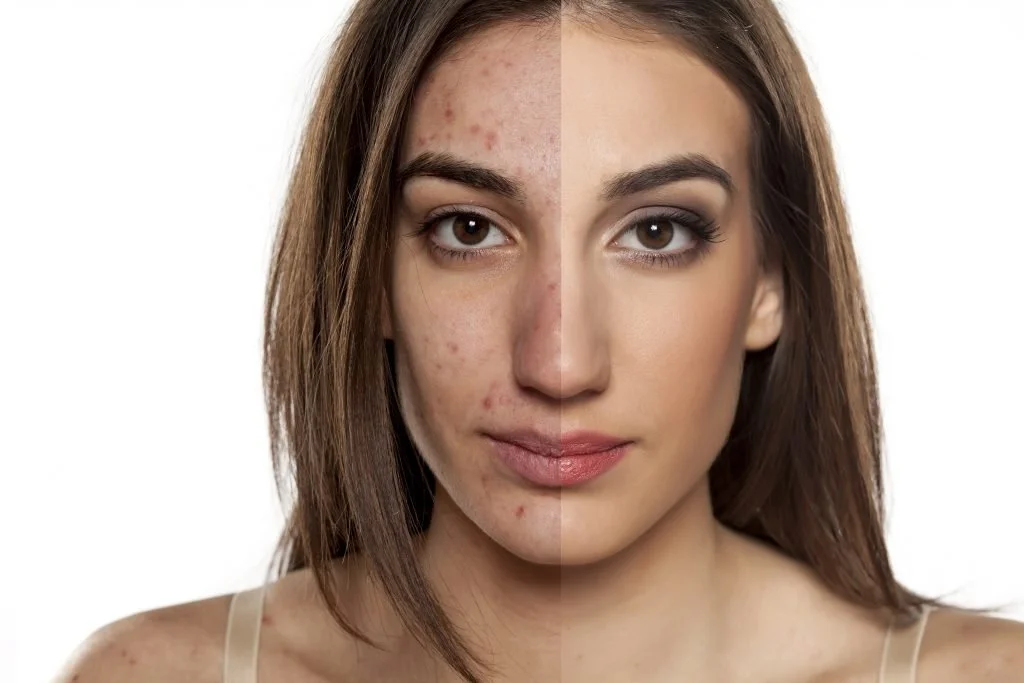
What Are Common Acne Symptoms?
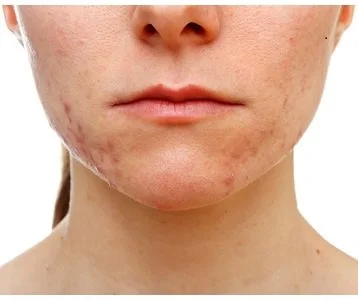
Acne often occurs in troublesome areas like the lower face and chin.
Acne symptoms can range from mild to severe and can last for just a few days or weeks or continue for many years.
The most severe form of acne is called cystic acne. This occurs when oil and dead skin cells build up in the hair follicles and rupture, which leads to boil-like infections.
Cystic acne is often painful and can leave lasting scars.
Some signs and symptoms of acne can include:
Tender red bumps on the surface of the skin
Large, firm and painful lumps beneath the skin
Pus-filled boils
Whiteheads
Blackheads
Acne can also be exacerbated by oil from certain skin products, environmental irritants, touching or squeezing blemishes, hard scrubbing of the skin, and more.
What Are the Best Acne Treatments?
Cystic acne can leave scars that are damaging to the patient’s self-esteem and quality of life.
The right acne treatment for you depends on the severity of your condition. Treatments can take time before you see changes, so be patient. In fact, sometimes you may find that your acne actually gets worse before it gets better. Don’t worry—this is normal!
In mild cases, occasional acne breakouts are temporary and can be effectively treated with over-the-counter medications. Often, mild cases of acne resolve on their own. However, if you have moderate to severe acne or chronic acne infections, a dermatologist may recommend professional treatment and prescription medications.
There are many available acne treatments including topical skin treatments, oral antibiotics, hormonal treatments or a combination.
Some acne treatments include:
Benzoyl Peroxide
Retinoids (Retin-A, Differin, Tazorac)
Topical Antibiotics (Clindamycin, Erythromycin, Dapsone)
Oral Antibiotics (Doxycycline, Minocycline)
Prescription Medications (Spironolactone, Accutane)
With these medications, it is very important to treat all acne-prone areas – do not “spot treat”!
Oral antibiotics like Doxycycline and Minocycline can reduce the number of inflammation-causing bacteria. Oral antibiotics are typically only used for a few months, not indefinitely, and must be taken consistently. Hormonal therapy, such as birth control pills, can also help control acne, especially when there is a component related to the menstrual cycle.
When taking prescription medications, you should stop taking any over-the-counter acne products. When combined with prescription products, these can often be too drying and irritating to your skin. Gentle skin cleansers such as Cetaphil DermaControl face wash or Cerave foaming facial cleanser are much better than abrasive soaps and scrubs.
How Do I Manage My Acne?
There are many available medications for treating acne.
It’s important to talk to your dermatologist about the best treatment for your skin and then also maintain ongoing skin care and prevention of acne by following a few simple guidelines:
Clean skin gently—excessive face washing can irritate your skin.
Avoid picking at acne lesions.
Limit sun exposure and wear sunscreen.
Try changing your skin care products.
Be patient with your treatment!
If, after several weeks of over-the-counter treatments, your breakouts have still not improved, it may be time to seek professional help.
For patients who have developed acne scars, treatment may continue after the skin has cleared of pimples. Chemical peels and laser therapy are both excellent options that can ultimately improve the appearance of acne scars.
Remember: Acne treatment plans do not provide results overnight and are dependent on your commitment to the prescribed treatment. Most patients don’t see the maximal benefit until several months of therapy.